
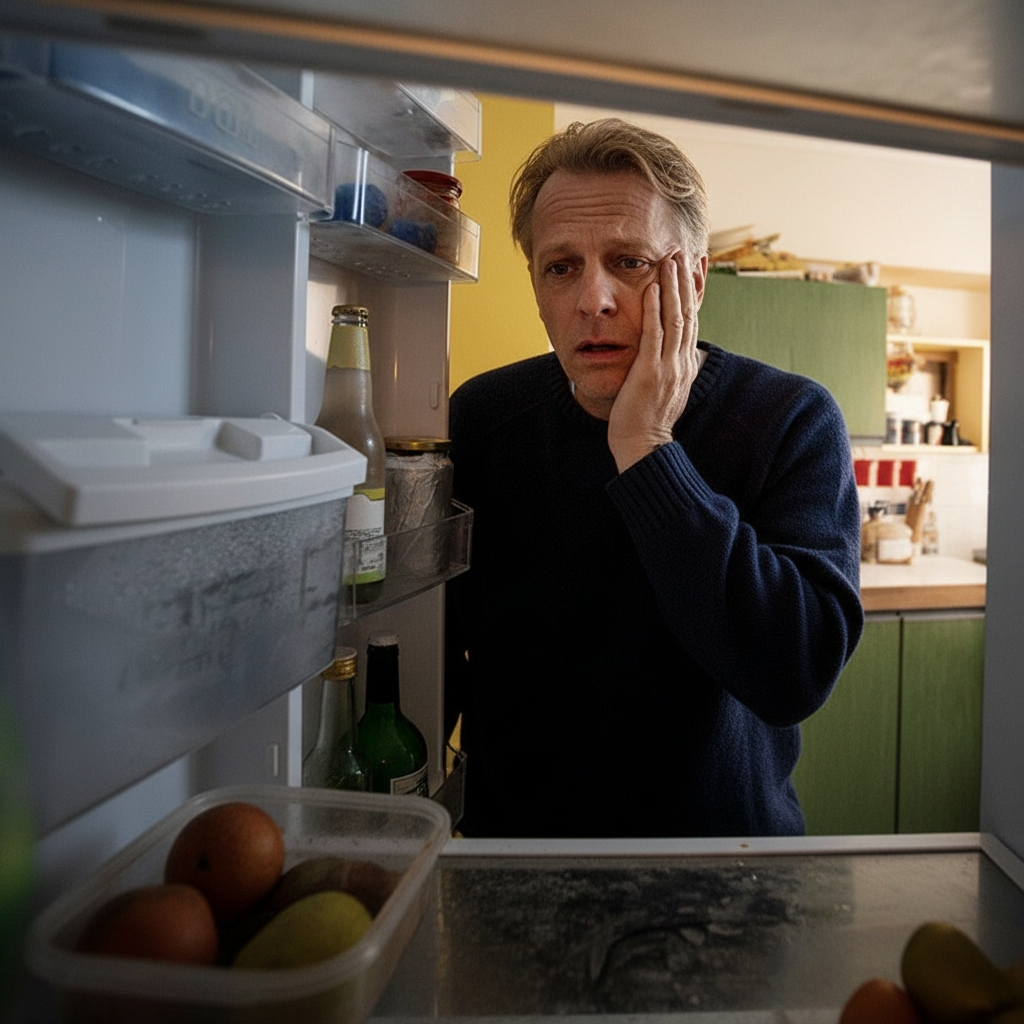
A loud buzzing fridge isn’t always a sign that it’s about to fail, but it’s never something you should ignore. Buzzing can be caused by a failing compressor, evaporator fan, condenser fan, loose components or even a fridge that’s not sitting level. Selective Fridges provides expert mobile fridge repairs across Perth, diagnosing unusual noises before they become costly repairs.
Why Is My Fridge Making a Loud Buzzing Noise?
Every refrigerator makes some noise as it cools your food. Gentle humming, occasional clicking and the sound of fans are all part of normal operation.
However, if your fridge has suddenly become much louder than usual or has developed a constant buzzing noise, it’s often an early warning that something isn’t operating correctly.
At Selective Fridges, noisy refrigerators are one of the most common reasons customers call us. In many cases, identifying the cause early can prevent further damage and help avoid a more expensive repair later.
What Causes a Fridge to Buzz Loudly?
Several components can create buzzing or vibrating noises.
The most common causes include:
- A worn compressor
- Evaporator fan motor beginning to fail
- Condenser fan obstruction
- Loose compressor mounting brackets
- Refrigerant lines vibrating against the cabinet
- Ice build-up interfering with the evaporator fan
- A fridge that isn’t sitting level
- Loose rear service panels
- Objects vibrating on top of the fridge
The type of buzzing often provides valuable clues about where the problem is located.
Which Buzzing Sounds Are Normal?
Not every buzz means your fridge needs repairing.
These sounds are generally considered normal:
- A gentle humming while cooling
- Clicking as the compressor starts or stops
- Water trickling during the automatic defrost cycle
- Soft fan noise circulating cold air
If these sounds suddenly become much louder or occur continuously, it’s worth investigating further.
Technician’s Tip
One of the easiest checks you can perform is to gently pull the fridge a few centimetres away from the wall.
We’ve attended many service calls where the buzzing was simply caused by the refrigerator vibrating against cabinetry, skirting boards or water pipes behind the appliance.
It’s a quick check that can sometimes save an unnecessary repair call.
If the buzzing continues after moving the fridge, it’s more likely that an internal component requires attention.
A Five-Minute Check You Can Try
Before arranging a service call, spend a few minutes checking the obvious.
- Make sure the fridge is standing level on the floor.
- Check that nothing is vibrating on top of the cabinet.
- Pull the fridge slightly away from the wall.
- Listen to whether the buzzing comes from the rear, underneath or inside the freezer.
- Check for ice around the rear freezer vents.
- Ensure the rear service panel is secure.
These simple observations often help narrow down the source of the noise before a technician arrives.
Can Ice Cause a Buzzing Noise?
Yes.
A failing defrost system can allow ice to build around the evaporator fan. As the fan blades begin striking the ice, the fridge may produce a loud buzzing, grinding or knocking sound.
This is one reason we often recommend addressing frost build-up early rather than waiting for cooling performance to decline.
If you’ve already noticed ice forming inside your frost-free fridge, it’s worth reading our guide on What Causes Ice Build-Up Inside a Frost-Free Fridge?
When Is a Buzzing Noise Serious?
Some noises should be inspected promptly.
These include:
- Buzzing that becomes progressively louder
- Buzzing followed by repeated clicking
- Buzzing accompanied by poor cooling
- Burning smells
- The compressor attempting to start every few seconds
- Electrical tripping occurring with the noise
These symptoms may indicate compressor, electrical or cooling system problems that require professional diagnosis.
Why Prompt Repairs Can Save Money
Many noisy refrigerators continue operating for weeks or months before failing completely.
Unfortunately, by the time cooling performance is affected, additional components may already have been damaged.
Repairing a worn fan motor, loose mounting or airflow problem early is often far less expensive than replacing a failed compressor.
Why Perth Homeowners Trust Selective Fridges
Selective Fridges provides professional mobile refrigerator repairs throughout Perth, servicing a wide range of domestic and commercial refrigeration brands.
Our experienced technicians diagnose unusual noises, cooling faults and electrical issues on-site, helping customers understand exactly what’s causing the problem before recommending the most practical repair solution.
Frequently Asked Questions
Is a buzzing fridge dangerous?
Not always. Some buzzing is completely normal, but loud or sudden buzzing should be investigated, particularly if it’s accompanied by poor cooling or electrical issues.
Can a compressor make a buzzing noise?
Yes. Compressors often buzz as they operate, but if the sound becomes unusually loud or is followed by repeated clicking, it may indicate a developing fault.
Can ice make my fridge noisy?
Yes. Ice build-up around the evaporator fan can cause buzzing, grinding or knocking noises as the fan blades contact the ice.
Should I unplug a noisy fridge?
If the fridge is cooling normally and the noise is minor, you can perform a few basic checks first. However, if the appliance smells hot, trips the power or stops cooling, unplug it and arrange a professional inspection.
Is it worth repairing a noisy fridge?
In many cases, yes. Many noise-related faults involve fans, mounts or airflow problems that are considerably less expensive to repair than replacing the appliance.