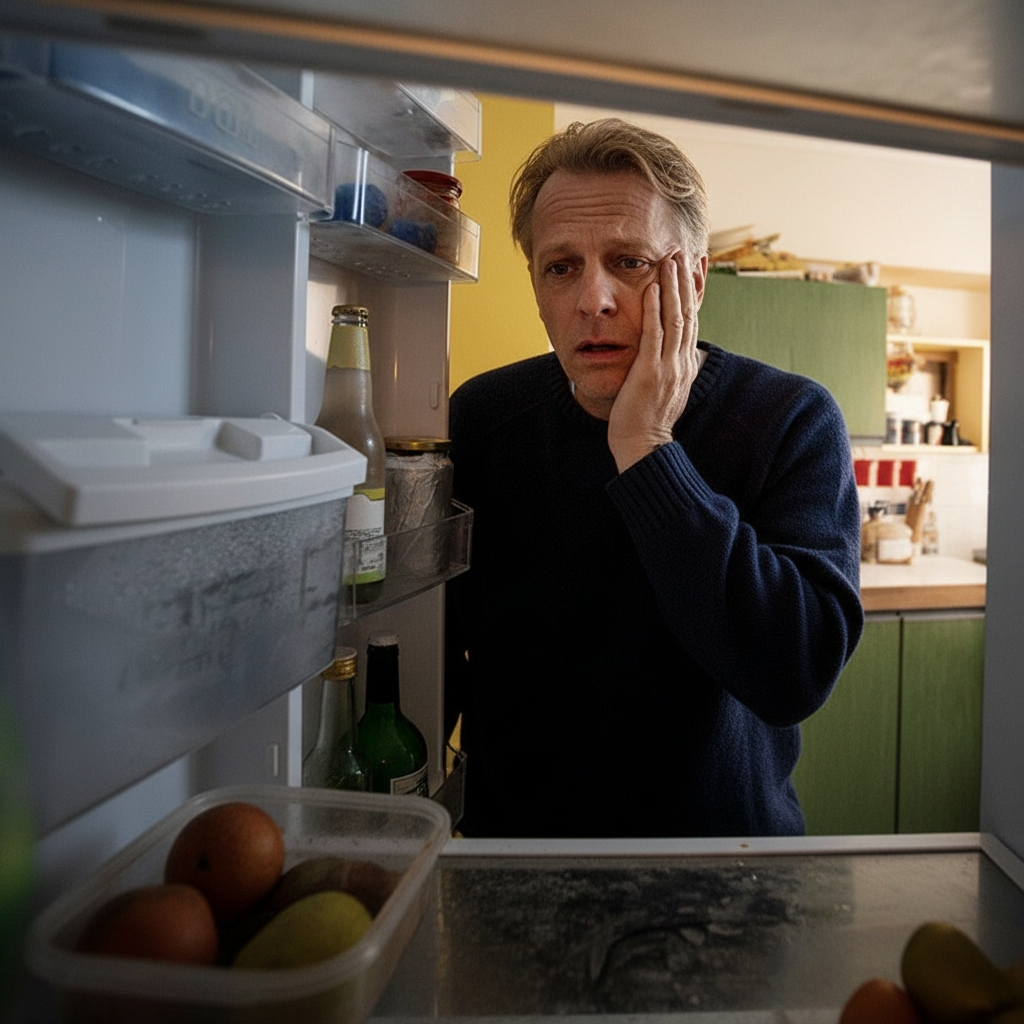
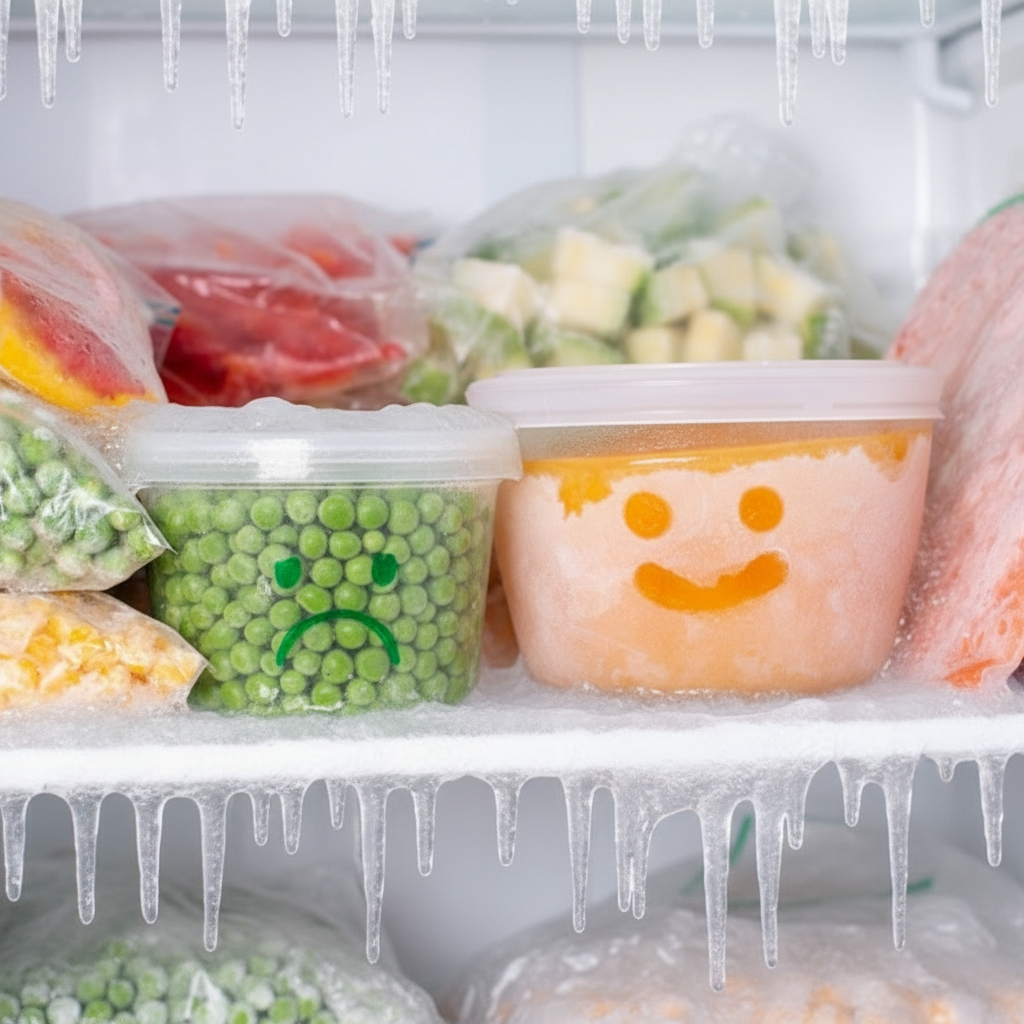
A fridge should keep your groceries fresh, not turn lettuce into ice or freeze the milk. If you notice your fridge freezing food, the cause may be a temperature setting, food sitting too close to a cold-air outlet, or a temperature-control fault. Selective Fridges helps Perth households investigate refrigeration problems and decide whether an adjustment or professional repair is needed.
Start by checking the settings and where the affected food is stored. If freezing continues across several shelves despite sensible adjustments, the appliance needs closer investigation.
The Short Version
Food can freeze in a fridge when the temperature is set too low, delicate items sit near cold-air outlets, or cooling controls are not working correctly. Check your model’s instructions, measure the temperature and rearrange affected food first. Persistent freezing deserves professional assessment before more groceries are wasted.
Why Is My Fridge Freezing Food in Certain Spots?
The location of frozen food provides a useful clue.
If one cucumber freezes at the back while food elsewhere remains normal, the problem may relate to placement. Cold air enters through particular outlets, and some areas can be colder than others.
Fruit, vegetables and other foods with a high water content are especially vulnerable when placed directly in the cold-air stream. Items touching a cold rear wall may also freeze in some models.
If milk, leftovers and vegetables are freezing across different shelves, a setting or temperature-control problem becomes more likely.
Before changing anything, note which foods are affected and where they were sitting. A photo of the shelf arrangement can help you explain the problem if a technician is needed.
Is the Temperature Setting Too Cold?
Check the fridge compartment setting against the manufacturer’s instructions.
A setting around 3°C to 4°C is commonly recommended, although the correct controls and compartment settings depend on your model. Keep perishable food at 5°C or colder, without allowing unwanted freezing.
If your fridge has a numbered dial, do not assume the number represents degrees Celsius. A higher number often means stronger cooling, but check the manual before adjusting it.
Also look for a rapid-cooling function that may have been activated while unpacking groceries. Names and behaviour vary between brands.
Make one modest adjustment at a time. Follow the manufacturer’s stabilisation period rather than repeatedly turning the control up and down. If another area becomes too warm, move perishable food into reliable cold storage while the problem is investigated.
Could Food Placement or Blocked Airflow Be Responsible?
A packed fridge can make it difficult for air to circulate as intended.
During Perth’s spring school holidays, extra snacks, drinks and containers can quickly fill shelves. Before adding more groceries, check that packaging is not pressed against air outlets.
Try these practical changes:
- Move delicate produce into the appropriate vegetable drawer.
- Leave space around visible cold-air outlets.
- Keep food away from the rear wall where your manual recommends it.
- Avoid wedging large containers tightly between shelves.
- Check the settings for any adjustable meat, produce or convertible drawers.
A specialised drawer may deliberately operate colder than the main compartment. Salad stored in a compartment intended for colder storage can freeze even when the appliance is functioning correctly.
Use the storage guidance for your particular fridge rather than assuming every shelf and drawer has the same temperature.
How Can You Check the Temperature Properly?
The display alone may not tell the whole story. Depending on the model, it can show the selected temperature rather than the temperature beside your groceries.
1. Record the current settings
Photograph the controls and note whether a rapid-cooling mode is active. This gives you a clear starting point.
2. Use a suitable fridge thermometer
Place it according to its instructions, initially on a central shelf away from the wall and air outlets.
3. Allow the reading to settle
Keep door openings brief and follow the thermometer and appliance instructions. A reading taken immediately after loading groceries may not represent settled conditions.
4. Compare the affected area
Check the location where food has been freezing. A difference between that spot and the middle shelf can help identify uneven cooling.
5. Record what changes
Note the readings, food placement and any setting adjustment. If the problem continues, this information helps a technician assess the symptoms.
You do not need to remove panels, access wiring or interfere with the refrigeration system to carry out these checks.
Simple Adjustment or Possible Repair?
| What you notice | What it may suggest | Sensible next step |
|---|---|---|
| One item freezes beside an outlet | Local exposure to cold air | Move it and check the storage instructions |
| Produce freezes in an adjustable drawer | Drawer setting may be unsuitable | Check the compartment mode |
| Freezing begins after a setting change | Cooling may be set too strongly | Correct the setting and monitor |
| Food freezes across several shelves | Possible broader temperature-control issue | Measure temperatures and arrange assessment if persistent |
| Some areas freeze while others become warm | Uneven cooling requiring investigation | Protect perishable food and seek advice |
These patterns guide the next step. They do not identify a failed part on their own.
When Could a Thermostat, Sensor or Airflow Control Be Involved?
If the settings and food placement are correct but freezing continues, the fridge may not be regulating temperature properly.
Depending on the design, possible causes include a thermostat problem, inaccurate sensor readings, an airflow-control fault or an electronic control issue.
Different fridges manage cooling differently. Some share airflow between compartments, while others use separate cooling arrangements. That is why the same symptom can have different causes across models.
Repeatedly changing the temperature may temporarily hide the problem without resolving it. Professional diagnosis can establish whether the appliance is overcooling, distributing air unevenly or responding incorrectly to temperature information.
What Information Should You Give the Technician?
A useful starting point is whether freezing affects one location or the whole compartment.
Before contacting Selective Fridges, have these details ready:
- Brand and model number
- Approximate age of the fridge
- Current fridge and drawer settings
- Where food is freezing
- Thermometer readings, if available
- Any recent changes, error messages or unusual sounds
These observations give the technician more useful information than simply saying the fridge is “too cold”.
Get Persistent Freezing Checked Before Replacing the Fridge
Frozen groceries do not automatically mean you need a new appliance.
A placement or setting issue may be straightforward to correct. Where a component fault is involved, the repair decision depends on the diagnosis, parts availability, appliance condition and likely cost.
If the problem keeps returning, contact Selective Fridges for an assessment. Understanding the cause is the first step towards keeping your food consistently chilled and avoiding further waste.
Frequently Asked Questions
Why are my vegetables freezing but other food is fine?
Vegetables may be too close to a cold-air outlet or rear wall, or stored in a drawer set too cold. Check your model’s storage instructions and move affected produce into the appropriate vegetable drawer.
Should I turn the fridge temperature up if food freezes?
Check the current setting and your manual first. If it is too cold, make a modest adjustment and monitor with a fridge thermometer. Keep perishable food at 5°C or colder.
Does frozen food mean my fridge thermostat is broken?
No. Food placement, compartment settings and cold-air outlets can also cause freezing. Persistent freezing after these checks may indicate a thermostat, sensor or other control problem that needs diagnosis.
Can the fridge display be correct while food still freezes?
Yes. Some displays show the selected temperature, and temperatures can vary within the compartment. A suitable fridge thermometer can help you check the affected area.