
Monthly Archives

August 2026

Selective Fridges Ice Build Up Frost Free

What Causes Ice Build-Up Inside a Frost-Free Fridge?

By Blogs - Fridge Repair Perth, Blogs - Fridge Repairs

If you’re noticing ice build-up inside a frost-free fridge, it’s usually a sign that something isn’t working as it should. Common causes include a faulty defrost system, damaged door seals, blocked drain tubes or restricted airflow. Selective Fridges provides expert mobile fridge repairs across Perth, helping diagnose and repair frost-free refrigerators before a small problem becomes a costly breakdown.

Frost-Free Fridge Ice Build-Up: Here’s What You Need to Know

A frost-free fridge is designed to prevent ice from accumulating inside the freezer by automatically melting frost during regular defrost cycles. If ice is starting to form on the back wall, around the vents or behind the freezer panels, it almost always indicates an underlying fault.

At Selective Fridges, we regularly repair frost-free refrigerators across Perth from leading brands including Samsung, LG, Westinghouse, Fisher & Paykel, Bosch, Electrolux, Mitsubishi Electric and many others. One of the most common calls we receive begins with a simple question:

“Why is there ice inside my frost-free fridge when it’s not supposed to frost up?”

The good news is that the problem is often repairable when diagnosed early.

Why Does Ice Build Up Inside a Frost-Free Fridge?

Several components work together to keep your fridge frost-free. If just one of them stops working correctly, ice can begin forming surprisingly quickly.

The most common causes include:

  • Faulty defrost heater
  • Failed defrost thermostat
  • Defrost sensor problems
  • Blocked defrost drain
  • Damaged door seals
  • Warm air entering through an open door
  • Evaporator fan failure
  • Airflow blocked by overpacked food
  • Electronic control board faults

As ice builds, airflow becomes restricted, meaning your freezer may still seem cold while the refrigerator compartment gradually becomes warmer.

Signs Your Frost-Free Fridge Has a Defrost Problem

You may notice one or more of these symptoms:

  • Ice on the rear freezer panel
  • Thick frost around freezer vents
  • Water pooling inside the fridge
  • Fresh food section becoming warm
  • Freezer still operating normally
  • Fan making unusual noises
  • Fridge running continuously
  • Increased electricity usage

These are all indicators that the automatic defrost system may not be completing its cycle correctly.

Inside the Workshop

One of the most frequent repairs we carry out involves customers noticing only a small amount of frost around the freezer vents. Within a week or two, that light frost has turned into a solid block of ice hidden behind the rear panel.

By the time we remove the evaporator cover, airflow has often been completely restricted. The freezer may still appear to be working, but very little cold air is reaching the refrigerator section.

Diagnosing and repairing the fault early can often prevent additional strain on the compressor and reduce the overall repair cost.

Can I Fix the Problem Myself?

Some simple checks may identify an obvious issue before arranging a repair.

A Five-Minute Check You Can Try

Before booking a service call:

  • Make sure the freezer door closes completely.
  • Inspect the rubber door seals for gaps, splits or food residue.
  • Check that food isn’t preventing the door from sealing.
  • Avoid overpacking shelves, especially near the rear vents.
  • Listen for the evaporator fan when the door switch is pressed.
  • Look for obvious ice forming around the internal vents.

If these checks don’t resolve the issue, it’s likely that an internal component within the defrost system requires professional testing.

Why You Shouldn’t Ignore Ice Build-Up

Many people continue using the fridge while manually removing ice every few weeks.

Unfortunately, this only treats the symptom rather than the cause.

As ice continues to build, the fridge has to work harder to maintain temperature. This can lead to:

  • Higher electricity bills
  • Poor food preservation
  • Compressor strain
  • Fan motor damage
  • Complete cooling failure

Early repairs are often far more economical than waiting until multiple components are affected.

Which Brands Experience This Problem?

Ice build-up can occur in almost any modern frost-free refrigerator.

At Selective Fridges, we commonly repair:

  • Samsung
  • LG
  • Fisher & Paykel
  • Westinghouse
  • Electrolux
  • Bosch
  • Mitsubishi Electric
  • Hisense
  • Haier
  • Kelvinator

While each manufacturer uses slightly different technology, the symptoms and repair process are often very similar.

When Should You Call a Fridge Repair Technician?

If you notice recurring ice build-up, warm temperatures in the fresh food compartment or unusual operating noises, it’s worth arranging a professional inspection before the fault worsens.

Our experienced mobile technicians service homes and businesses throughout Perth, diagnosing frost-free refrigerator faults on-site and recommending the most cost-effective repair solution.

Prompt attention can often restore normal operation before more expensive components are affected.

Why Perth Residents Choose Selective Fridges

Selective Fridges has built a reputation for reliable mobile refrigerator repairs across Perth. Our technicians have extensive experience working on domestic and commercial refrigeration systems, providing honest advice, professional workmanship and efficient repairs.

Whether your fridge has developed ice, stopped cooling properly or is showing signs of an internal fault, we’re here to help get it back to operating as it should.

Frequently Asked Questions

Why does my frost-free fridge have ice inside?

A frost-free fridge develops ice when part of the automatic defrost system isn’t functioning correctly, allowing frost to accumulate instead of melting away during normal operation.

Is ice build-up a serious problem?

It can be. Left untreated, ice restricts airflow, reduces cooling efficiency and can place additional strain on the compressor and fan motors.

Can a blocked drain cause ice to form?

Yes. A blocked defrost drain can prevent water from draining correctly, allowing it to freeze and contribute to ice build-up.

Should I keep manually removing the ice?

Manual defrosting may provide temporary relief, but it won’t fix the underlying fault. If the issue returns, the fridge should be professionally diagnosed.

Is repairing a frost-free fridge worth it?

In many cases, yes. Defrost system repairs are often considerably less expensive than replacing an otherwise good-quality refrigerator.
Selective Fridge Mobile Repairs Perth - Leaky Fridge

Why Is Water Leaking From Under My Fridge?

By Blogs - Fridge Repair Perth, Blogs - Fridge Repairs

Water leaking from under your fridge is often caused by a blocked defrost drain, a damaged water line, a cracked drain pan or excess condensation. While some causes are simple to resolve, others require professional attention to prevent damage to your flooring and the refrigerator itself. Selective Fridges provides expert mobile fridge repairs across Perth, quickly identifying the source of leaks and restoring your appliance to proper working order.

Why Is Water Leaking From Under My Fridge?

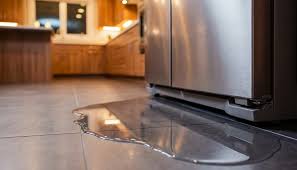
Finding a puddle of water beneath your refrigerator is never something you should ignore.

Although it may seem like a minor inconvenience, water leaks are often the first sign that something inside the refrigerator isn’t functioning correctly. Left untreated, even a small leak can damage flooring, cabinetry and internal refrigerator components.

At Selective Fridges, leaking refrigerators are among the most common service calls we attend across Perth. Fortunately, many of these faults can be repaired quickly when diagnosed early.

What Causes Water to Leak From Under a Fridge?

Several different components can cause water to escape from your refrigerator.

The most common causes include:

  • A blocked defrost drain
  • A frozen defrost drain
  • A cracked or overflowing drain pan
  • Damaged or loose water supply lines
  • A leaking water filter
  • Excess condensation caused by faulty door seals
  • Ice build-up affecting the defrost system
  • An uneven refrigerator preventing proper drainage

Because several different faults can produce the same symptom, identifying the true cause is important before attempting repairs.

Before You Call for a Repair

Not every leak requires immediate repair. There are several simple checks you can perform first.

A Five-Minute Check You Can Try

Before booking a technician:

  • Check whether the water is clean or discoloured.
  • Inspect the water dispenser or ice maker supply line for obvious leaks.
  • Ensure the refrigerator is sitting level.
  • Look inside the freezer for excessive ice build-up.
  • Check whether the door seals are closing properly.
  • Remove any items blocking the internal drain channel if visible.

If water continues to appear after these checks, professional diagnosis is recommended.

What We Found This Week

A recent customer in Perth noticed a small puddle forming under their fridge every morning. They initially thought the appliance had a cracked water line.

After inspecting the refrigerator, we found the real cause was a blocked defrost drain. During each automatic defrost cycle, the melted frost had nowhere to drain, eventually overflowing onto the kitchen floor.

After clearing the blockage and confirming the drainage system was operating correctly, the leak was completely resolved without requiring major repairs.

It’s a good example of why the visible symptom isn’t always the actual problem.

Can Ice Build-Up Cause Water Leaks?

Absolutely.

One of the most common causes of water leaks is excessive ice forming inside the freezer.

As the ice melts during the defrost cycle, water can overflow if the drain is frozen or blocked.

If you’ve also noticed frost accumulating inside your freezer, it’s worth reading our guide on What Causes Ice Build-Up Inside a Frost-Free Fridge?, as the two problems are often related.

When Should You Be Concerned?

Water leaking from under a fridge should be inspected promptly if you notice:

  • Water appearing every day
  • Water inside the fresh food compartment
  • Ice forming on the freezer floor
  • Warm temperatures inside the fridge
  • Electrical tripping
  • Unusual noises developing at the same time

These symptoms often indicate an underlying cooling or defrost issue rather than a simple blocked drain.

Why Early Repairs Matter

Many homeowners simply wipe up the water and continue using the fridge.

Unfortunately, the leak usually returns because the underlying fault hasn’t been addressed.

Ignoring a persistent leak may lead to:

  • Damaged flooring
  • Swollen kitchen cabinetry
  • Mould growth
  • Reduced cooling efficiency
  • More expensive repairs later

Early diagnosis is usually the most economical solution.

Still Having Fridge Problems?

If you’ve completed the simple checks above and your refrigerator is still leaking water, making unusual noises or struggling to maintain temperature, it’s time for a professional inspection.

Selective Fridges provides expert mobile refrigerator repairs throughout Perth, diagnosing leaks, cooling issues, electrical faults and defrost system problems across many leading refrigerator brands.

Our experienced technicians identify the real cause of the problem and recommend the most practical, cost-effective repair solution.

Frequently Asked Questions

Why is my fridge leaking water onto the floor?

The most common causes include a blocked defrost drain, frozen drain tube, damaged water line or excessive condensation caused by faulty door seals.

Can a blocked drain cause water under my fridge?

Yes. A blocked defrost drain prevents melted frost from draining correctly, allowing water to overflow onto the floor.

Is it safe to keep using a leaking fridge?

Small leaks may not be immediately dangerous, but persistent leaks should be inspected to prevent electrical issues, floor damage and further appliance faults.

Can ice build-up cause water leaks?

Yes. Excess ice can block the defrost drainage system, leading to water overflowing during the automatic defrost cycle.

Is repairing a leaking fridge worth it?

In many cases, yes. Most leaking fridge faults are considerably less expensive to repair than replacing the appliance or repairing water-damaged flooring.

Selective Fridges Mobile Repairs - Fridge tripping out

Why Does My Fridge Keep Tripping the Power?

By Blogs - Fridge Repair Perth, Blogs - Fridge Repairs

If your fridge keeps tripping the power, don’t ignore it. While it could be something as simple as a faulty power point or extension lead, it may also indicate an electrical fault within the refrigerator, such as a failing compressor, damaged wiring or a defective defrost heater. Selective Fridges provides expert mobile fridge repairs across Perth, safely diagnosing electrical faults before they become more serious.

Why Does My Fridge Keep Tripping the Power?

Your refrigerator is designed to run continuously with minimal interruption. If it suddenly starts tripping the power, it’s a sign that something isn’t operating safely.

At Selective Fridges, we regularly attend homes and businesses across Perth where customers report that their fridge works for a short time before the safety switch or circuit breaker trips. In many cases, the problem isn’t the electrical system in the home, but a fault developing inside the appliance itself.

The good news is that many of these issues can be repaired if diagnosed early.

What Causes a Fridge to Trip the Power?

There are several reasons why a refrigerator may repeatedly trip the safety switch or circuit breaker.

Common causes include:

  • A faulty compressor drawing excessive current
  • A failed defrost heater causing an electrical short
  • Damaged internal wiring
  • Moisture affecting electrical components
  • A faulty thermostat or control board
  • A failing start relay
  • Compressor overload protector faults
  • Damaged power cord or plug
  • Electrical faults following a power surge

Because electricity and water don’t mix, it’s important not to continue resetting the breaker without investigating the cause.

What’s the Difference Between a Safety Switch and a Circuit Breaker?

Understanding what is tripping can help narrow down the problem.

A safety switch (RCD) trips when it detects electricity leaking to earth, helping protect people from electric shock.

A circuit breaker trips when too much electrical current is flowing through the circuit, helping protect wiring and appliances.

Both situations indicate that the refrigerator should be inspected before further use.

What We Found This Week

One of our recent service calls involved a family whose refrigerator would trip the safety switch every morning.

Initially, they suspected a problem with the house wiring. After testing the appliance, we discovered the fault only occurred when the automatic defrost cycle activated. A failed defrost heater had developed an earth leakage fault, causing the safety switch to trip at roughly the same time each day.

Once the faulty component was replaced and the system tested, the refrigerator returned to normal operation.

It’s a good reminder that intermittent electrical faults can be difficult to identify without specialised testing equipment.

Before You Reset the Breaker Again

Repeatedly resetting the breaker may seem harmless, but it can make matters worse if an internal electrical fault is developing.

Before arranging a repair:

A Five-Minute Check You Can Try

  • Plug another appliance into the same power point to see if it operates normally.
  • Check that the fridge power cord isn’t trapped, damaged or frayed.
  • Remove any extension leads or double adaptors and plug the fridge directly into the wall.
  • Look for signs of water around the rear of the appliance.
  • Listen for unusual clicking noises when the compressor attempts to start.

If the breaker continues tripping, unplug the refrigerator and arrange a professional inspection.

Is It Safe to Keep Using a Fridge That Trips the Power?

Generally, no.

A refrigerator that repeatedly trips the power may have an electrical fault that could worsen over time.

Continuing to use the appliance without identifying the cause may increase the risk of:

  • Damage to electrical components
  • Compressor failure
  • Food spoilage
  • Damage to your home’s electrical circuit
  • Potential electrical safety hazards

For your safety, it’s best to have the appliance tested before continued use.

Which Fridge Brands Can Develop Electrical Faults?

Electrical faults can occur in refrigerators from virtually any manufacturer.

Selective Fridges regularly repairs brands including:

  • Samsung
  • LG
  • Fisher & Paykel
  • Westinghouse
  • Bosch
  • Electrolux
  • Mitsubishi Electric
  • Hisense
  • Haier
  • Kelvinator

While the specific components vary between manufacturers, the diagnostic process remains much the same.

Why Choose Selective Fridges?

Selective Fridges provides professional mobile refrigerator repairs throughout Perth, specialising in diagnosing difficult electrical and cooling faults.

Our experienced technicians use professional testing equipment to identify the real cause of the problem, helping customers avoid unnecessary part replacements while restoring safe, reliable operation.

Frequently Asked Questions

Why does my fridge trip the safety switch?

The most common causes are electrical leakage from components such as the defrost heater, damaged wiring or moisture affecting internal electrical parts.

Can a faulty compressor trip the power?

Yes. As compressors begin to fail, they may draw excessive current or develop internal faults that cause the circuit breaker to trip.

Should I keep resetting the breaker?

No. Repeatedly resetting the breaker without identifying the fault may worsen the problem and could create an electrical safety risk.

Can power surges damage a refrigerator?

Yes. Significant power surges can damage electronic control boards, relays and other electrical components inside modern refrigerators.

Is repairing an electrical fault worth it?

In many cases, yes. Many electrical faults can be repaired without replacing the entire refrigerator, particularly when diagnosed early.

Selective Fridges Mobile Repairs - noisy fridge

Why Is My Fridge Making a Loud Buzzing Noise?

By Blogs - Fridge Repair Perth, Blogs - Fridge Repairs

A loud buzzing fridge isn’t always a sign that it’s about to fail, but it’s never something you should ignore. Buzzing can be caused by a failing compressor, evaporator fan, condenser fan, loose components or even a fridge that’s not sitting level. Selective Fridges provides expert mobile fridge repairs across Perth, diagnosing unusual noises before they become costly repairs.

Why Is My Fridge Making a Loud Buzzing Noise?

Every refrigerator makes some noise as it cools your food. Gentle humming, occasional clicking and the sound of fans are all part of normal operation.

However, if your fridge has suddenly become much louder than usual or has developed a constant buzzing noise, it’s often an early warning that something isn’t operating correctly.

At Selective Fridges, noisy refrigerators are one of the most common reasons customers call us. In many cases, identifying the cause early can prevent further damage and help avoid a more expensive repair later.

What Causes a Fridge to Buzz Loudly?

Several components can create buzzing or vibrating noises.

The most common causes include:

  • A worn compressor
  • Evaporator fan motor beginning to fail
  • Condenser fan obstruction
  • Loose compressor mounting brackets
  • Refrigerant lines vibrating against the cabinet
  • Ice build-up interfering with the evaporator fan
  • A fridge that isn’t sitting level
  • Loose rear service panels
  • Objects vibrating on top of the fridge

The type of buzzing often provides valuable clues about where the problem is located.

Which Buzzing Sounds Are Normal?

Not every buzz means your fridge needs repairing.

These sounds are generally considered normal:

  • A gentle humming while cooling
  • Clicking as the compressor starts or stops
  • Water trickling during the automatic defrost cycle
  • Soft fan noise circulating cold air

If these sounds suddenly become much louder or occur continuously, it’s worth investigating further.

Technician’s Tip

One of the easiest checks you can perform is to gently pull the fridge a few centimetres away from the wall.

We’ve attended many service calls where the buzzing was simply caused by the refrigerator vibrating against cabinetry, skirting boards or water pipes behind the appliance.

It’s a quick check that can sometimes save an unnecessary repair call.

If the buzzing continues after moving the fridge, it’s more likely that an internal component requires attention.

A Five-Minute Check You Can Try

Before arranging a service call, spend a few minutes checking the obvious.

  • Make sure the fridge is standing level on the floor.
  • Check that nothing is vibrating on top of the cabinet.
  • Pull the fridge slightly away from the wall.
  • Listen to whether the buzzing comes from the rear, underneath or inside the freezer.
  • Check for ice around the rear freezer vents.
  • Ensure the rear service panel is secure.

These simple observations often help narrow down the source of the noise before a technician arrives.

Can Ice Cause a Buzzing Noise?

Yes.

A failing defrost system can allow ice to build around the evaporator fan. As the fan blades begin striking the ice, the fridge may produce a loud buzzing, grinding or knocking sound.

This is one reason we often recommend addressing frost build-up early rather than waiting for cooling performance to decline.

If you’ve already noticed ice forming inside your frost-free fridge, it’s worth reading our guide on What Causes Ice Build-Up Inside a Frost-Free Fridge?

When Is a Buzzing Noise Serious?

Some noises should be inspected promptly.

These include:

  • Buzzing that becomes progressively louder
  • Buzzing followed by repeated clicking
  • Buzzing accompanied by poor cooling
  • Burning smells
  • The compressor attempting to start every few seconds
  • Electrical tripping occurring with the noise

These symptoms may indicate compressor, electrical or cooling system problems that require professional diagnosis.

Why Prompt Repairs Can Save Money

Many noisy refrigerators continue operating for weeks or months before failing completely.

Unfortunately, by the time cooling performance is affected, additional components may already have been damaged.

Repairing a worn fan motor, loose mounting or airflow problem early is often far less expensive than replacing a failed compressor.

Why Perth Homeowners Trust Selective Fridges

Selective Fridges provides professional mobile refrigerator repairs throughout Perth, servicing a wide range of domestic and commercial refrigeration brands.

Our experienced technicians diagnose unusual noises, cooling faults and electrical issues on-site, helping customers understand exactly what’s causing the problem before recommending the most practical repair solution.

Frequently Asked Questions

Is a buzzing fridge dangerous?

Not always. Some buzzing is completely normal, but loud or sudden buzzing should be investigated, particularly if it’s accompanied by poor cooling or electrical issues.

Can a compressor make a buzzing noise?

Yes. Compressors often buzz as they operate, but if the sound becomes unusually loud or is followed by repeated clicking, it may indicate a developing fault.

Can ice make my fridge noisy?

Yes. Ice build-up around the evaporator fan can cause buzzing, grinding or knocking noises as the fan blades contact the ice.

Should I unplug a noisy fridge?

If the fridge is cooling normally and the noise is minor, you can perform a few basic checks first. However, if the appliance smells hot, trips the power or stops cooling, unplug it and arrange a professional inspection.

Is it worth repairing a noisy fridge?

In many cases, yes. Many noise-related faults involve fans, mounts or airflow problems that are considerably less expensive to repair than replacing the appliance.