Monthly Archives

September 2026

Selective Fridges - Fridge Keep Running

Why Does My Fridge Keep Running? When Constant Operation Signals a Problem

By Blogs - Fridge Repair Perth, Uncategorized

A fridge that keeps running may be responding to warm food, frequent door opening or Perth’s surrounding temperature. However, constant operation can also indicate blocked airflow, dirty condenser coils, damaged door seals or a faulty temperature-control component. Selective Fridges provides mobile fridge repairs across Perth to diagnose why an appliance is not cycling off normally.

The Short Version

Modern fridges run for long periods, especially after restocking or during warm weather. They should still reach the selected temperature and cycle off when conditions allow. If your fridge runs constantly, feels too warm or too cold, makes unusual noises or increases your electricity use, it should be checked.

Is It Normal for a Fridge to Run for a Long Time?

Yes, under some circumstances. A fridge does not operate according to a fixed timetable. Its running time depends on:

  • The surrounding room temperature
  • How often the doors are opened
  • The amount of warm food recently added
  • The temperature setting
  • The appliance’s size and design
  • The condition of the door seals
  • Airflow around and inside the fridge

Modern energy-efficient refrigerators may operate at a lower level for longer than older models. Some variable-speed compressors also run continuously at different speeds rather than switching completely on and off as often.

The important question is not simply how long the fridge runs. It is whether it maintains a safe, consistent temperature without excessive noise, heat or energy consumption.

How Long Should a Fridge Run Before Switching Off?

There is no single correct running time for every refrigerator. Under stable conditions, many fridges cycle between periods of cooling and rest. However, a fridge may run for several hours after it is first turned on, heavily restocked or exposed to warmer conditions.

Allow the appliance time to stabilise after adding groceries or changing the temperature setting. If it continues running almost constantly after approximately 24 hours of normal use, further checks may be needed.

A fridge that never appears to stop and cannot reach the selected temperature is more concerning than one that runs for long periods while maintaining the correct temperature.

Why Does My Fridge Keep Running?

Common causes include:

  • Frequent or prolonged door opening
  • A large quantity of warm food being added
  • The temperature being set unnecessarily cold
  • Food blocking the internal air vents
  • The fridge being packed too tightly
  • Poor ventilation around the appliance
  • Dust or debris affecting accessible condenser areas
  • A worn, dirty or damaged door seal
  • A faulty thermostat or temperature sensor
  • A problem with the evaporator or condenser fan
  • Ice restricting airflow
  • A refrigerant or sealed-system fault

Some causes can be corrected with simple adjustments. Others require electrical, airflow or refrigeration-system testing by an experienced technician.

Could the Door Seal Be Making the Fridge Run Constantly?

Yes. The door seal keeps warm, humid air outside the fridge. When the seal is dirty, damaged or distorted, cold air can escape and the appliance must work harder to maintain its temperature.

Signs of a possible seal problem include:

  • Condensation around the door
  • Moisture inside the fridge
  • Frost developing near an air vent or door edge
  • A visible split or gap in the seal
  • The door not sitting evenly
  • The fridge running for longer than usual

Clean the seal with mild soapy water and dry it thoroughly. Check that food containers or shelves are not preventing the door from closing.

If the seal is torn, permanently distorted or pulling away from the door, it may need to be replaced.

Can Blocked Airflow Cause Constant Running?

A fridge relies on controlled airflow to distribute cold air and measure temperature accurately. If food is pushed against internal vents, one section may remain too warm while another becomes excessively cold.

The temperature sensor may continue calling for cooling because cold air is not reaching the intended area.

Avoid tightly packing the shelves. Leave room around internal vents and keep food slightly away from the rear wall.

Airflow outside the appliance matters too. The fridge needs adequate clearance to release heat. Check the manufacturer’s recommendations before changing its position because the required spacing varies between models.

Dirty Condenser Area or Cooling Fault: What Is the Difference?

What you notice Possible explanation
Fridge runs longer but maintains temperature Warm conditions, recent loading or restricted ventilation
Exterior or side panels feel warmer than usual The appliance may be releasing heat during an extended cycle
Fridge runs constantly and remains too warm Airflow, fan, sensor or cooling-system problem
Fridge runs constantly and freezes food Temperature-control or damper fault
Condensation appears around the door Door seal or closing problem
Frost keeps returning inside the freezer Defrost or airflow fault
Clicking, scraping or loud buzzing occurs Fan, relay, compressor or another component requires assessment

Some warmth on the exterior can be normal because refrigeration moves heat from inside the cabinet to the surrounding air. Excessive heat combined with poor cooling or unusual noises deserves professional attention.

A Five-Minute Check You Can Try

Before arranging a fridge repair, complete these safe checks:

  1. Confirm the fresh-food compartment is set to approximately 3°C to 4°C.
  2. Check that the freezer is set to around –18°C.
  3. Make sure the doors close completely.
  4. Wipe the door seals and inspect them for gaps or damage.
  5. Move food away from internal air vents.
  6. Check that the fridge is not packed too tightly.
  7. Ensure there is suitable ventilation around the appliance.
  8. Listen for unusual clicking, scraping, rattling or buzzing.

After making an adjustment, allow the fridge time to stabilise. Avoid repeatedly changing the temperature control because this makes it difficult to assess the result.

Do not remove electrical covers, touch wiring or interfere with the sealed refrigeration system.

Technician’s Tip

Use a fridge thermometer instead of relying only on the control dial or digital display.

Place the thermometer near the centre of the fresh-food compartment and monitor it under normal use. If the fridge runs continuously but maintains approximately 3°C to 4°C, the cause may be different from an appliance that keeps running while remaining too warm.

This information can also help the technician understand how the fault develops.

Inside the Workshop

When Selective Fridges investigates a fridge that keeps running, the technician considers the complete cooling cycle.

The assessment may include measuring cabinet temperatures, checking door closure, inspecting airflow, testing temperature sensors and examining the operation of fans, controls and the compressor.

This is important because constant running is a symptom rather than a diagnosis. Replacing a thermostat will not solve the problem if the real cause is restricted airflow, a damaged seal or a fault elsewhere in the cooling system.

A Common Repair We See

One common situation involves a fridge that runs almost constantly because it is trying to compensate for cold air escaping around the door.

The problem may begin with food preventing the door from closing properly. Over time, moisture enters the cabinet, ice develops and airflow becomes restricted. What initially appears to be one issue can create several connected symptoms.

Checking the door and seal early may prevent food spoilage and further strain on the appliance.

What We Found This Week

The information a customer provides often reveals an important pattern. For example, a fridge may run normally overnight but struggle during busy periods when the door is opened frequently.

In another home, the appliance may run constantly regardless of use and still fail to cool properly.

Recording when the problem occurs, the measured temperature and any unusual sounds helps distinguish between changing household conditions and a developing component fault.

Before You Call for a Repair

Make a note of:

  • The refrigerator’s make and model
  • The displayed temperature
  • The temperature measured with a thermometer
  • Whether both compartments are affected
  • How long the fridge has been running continuously
  • Any noises, frost, leaks or error codes
  • Whether the problem began after moving or restocking the fridge

Do not switch the appliance off unless there is an electrical safety concern, a burning smell or you have been advised to do so. An operating fridge may allow the technician to observe the fault more accurately.

If you smell burning, see smoke or notice an electrical hazard, switch off the appliance safely and seek appropriate assistance.

When Should You Book a Fridge Repair?

Arrange a professional assessment when:

  • The fridge rarely or never cycles off
  • Food is not staying cold enough
  • Food is freezing in the fresh-food section
  • Frost repeatedly blocks internal airflow
  • The appliance makes unusual noises
  • The door seal is damaged
  • The motor area appears excessively hot
  • The temperature control has little effect
  • Electricity use has increased without another explanation

Prompt diagnosis can identify whether the issue is a simple airflow problem or a fault that could place further strain on the appliance.

Should You Repair or Replace a Constantly Running Fridge?

Repair may be worthwhile when the appliance is otherwise in good condition and the fault involves a replaceable sensor, fan, seal or control component.

Replacement may be more practical if the fridge is very old, inefficient or affected by several costly faults. The availability of replacement parts and the appliance’s overall condition should also be considered.

A proper diagnosis gives you the information needed to make that decision without replacing a fridge unnecessarily.

Mobile Fridge Repairs Across Perth

If your fridge keeps running and the basic checks have not resolved the problem, Selective Fridges can come to you.

The team provides mobile fridge servicing and repairs throughout the Perth metropolitan area. A technician can test the appliance under normal operating conditions, explain the findings and recommend an appropriate repair where possible.

Contact Selective Fridges to arrange an inspection before constant operation leads to spoiled food, unnecessary energy use or a complete breakdown.

Frequently Asked Questions

Why does my fridge keep running without switching off?

The fridge may be responding to warm conditions, frequent door opening or recently added food. Constant running can also result from blocked airflow, a damaged door seal, frost build-up or a faulty temperature-control component.

Should a modern fridge run all the time?

Some modern fridges and variable-speed compressors operate for long periods at low power. However, the appliance should maintain the correct temperature without unusual noise, excessive heat or other signs of a fault.

Can a damaged door seal make my fridge run constantly?

Yes. A damaged or distorted seal allows cold air to escape and warm air to enter, causing the fridge to run longer as it attempts to maintain its selected temperature.

Why is my fridge running constantly but not getting cold?

Possible causes include restricted airflow, an iced evaporator, a fan problem, faulty temperature controls or a refrigeration-system fault. Professional diagnosis is recommended if simple checks do not help.

Is it worth repairing a fridge that never stops running?

It can be worthwhile when the appliance is otherwise in good condition and the cause is a repairable sensor, seal, fan or control fault. A technician should diagnose the cause before you decide whether to repair or replace it.

Selective Fridges - Door Seals

Is Your Fridge Door Seal Failing? Warning Signs Perth Households Should Know

By Blogs - Fridge Repair Perth

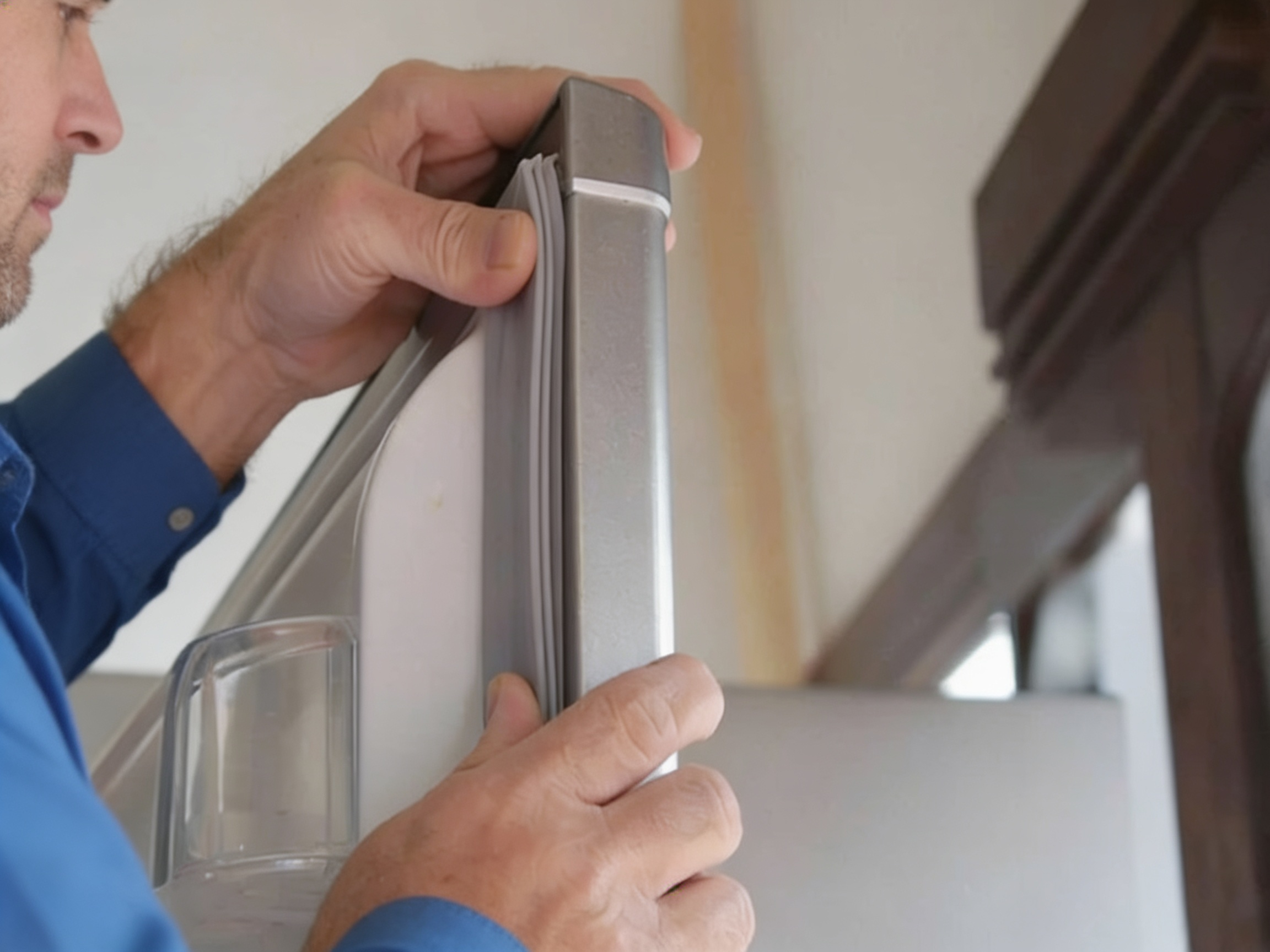
A failing fridge door seal allows cold air to escape and warm, humid air to enter. This can cause condensation, frost, uneven cooling, longer running times and higher energy use. Selective Fridges provides mobile fridge repairs across Perth and can determine whether the seal needs cleaning, adjustment or replacement—or whether another fault is causing the symptoms.

The Short Version

Check your fridge door seal if the door feels loose, condensation appears around the opening or the fridge runs longer than usual. Clean the seal, remove anything obstructing the door and inspect it for gaps, splits or distortion. If it still does not seal evenly, professional assessment is recommended.

What Does a Fridge Door Seal Do?

The flexible seal around the fridge door, sometimes called a gasket, creates a barrier between the cooled cabinet and the surrounding air.

When it seals correctly, the fridge can maintain a stable temperature without working harder than necessary. When it fails, warm air and moisture enter each time the cooling system creates a pressure difference.

Even a small gap can affect performance over time. The fridge may compensate by running longer, while moisture entering the cabinet can contribute to condensation, ice build-up and food-storage problems.

What Are the Signs of a Failing Fridge Door Seal?

Common warning signs include:

  • The door no longer closes firmly
  • A visible gap appears between the seal and cabinet
  • The seal is split, cracked, loose or distorted
  • Condensation forms around the door opening
  • Frost develops near the edge of the freezer
  • Food is not staying consistently cold
  • The fridge runs for longer than it previously did
  • The exterior around the door feels unusually warm
  • Mould, grime or moisture collects in the seal folds

One symptom alone does not confirm that the seal needs replacing. A door-alignment problem, damaged hinge, overloaded shelf or incorrectly positioned container can create similar issues.

Why Is My Fridge Door Not Sealing Properly?

A fridge door may not seal correctly because:

  • Food packaging is obstructing the door
  • A shelf or drawer is not fully inserted
  • The seal is dirty or sticky
  • The appliance is not level
  • The door is overloaded with heavy items
  • The hinges have moved or worn
  • The gasket has lost its shape
  • The gasket is torn or pulling away
  • Ice build-up is preventing proper closure
  • The door or cabinet has been damaged

Start with the visible and easily corrected causes. Moving one large container or reseating a drawer may be enough to restore proper closure.

If the door has dropped, does not align with the cabinet or needs to be lifted before it closes, the hinges and alignment should also be inspected.

Can You Clean a Fridge Seal Instead of Replacing It?

Yes, if dirt or food residue is preventing the seal from making even contact.

Use warm water with a small amount of mild detergent and a soft cloth. Gently clean the surface and inside the seal folds, then dry the area thoroughly.

Avoid harsh chemicals, abrasive brushes and sharp tools. These can damage the flexible material.

Cleaning will not repair a split, hardened or permanently distorted seal. If there is physical damage or the gasket continues to pull away from the cabinet, replacement may be necessary.

How Can You Check a Fridge Door Seal?

Complete a careful visual inspection while the appliance is operating normally:

  1. Remove anything that may obstruct the door.
  2. Clean and dry the gasket and cabinet contact surface.
  3. Close the door gently.
  4. Look along all four sides for uneven gaps.
  5. Feel for obvious cold-air leakage without pulling at the seal.
  6. Check for condensation, frost or moisture near the opening.
  7. Confirm that the door sits evenly against the cabinet.

A sheet of paper can also help identify areas with weak contact. Close the door over the paper and gently pull it. Some resistance should be present.

Repeat the check at several points around the door. The paper test can reveal uneven contact, but it does not identify the underlying cause or prove that every part of the seal is faulty.

Dirty Seal, Damaged Seal or Door-Alignment Problem?

What you notice Possible explanation
Sticky residue around the gasket Seal may need cleaning
One small area does not make contact Local distortion or alignment issue
Seal is torn, brittle or cracked Replacement may be required
Door sits lower on one side Hinge or door-alignment issue
Door closes after a drawer is repositioned Internal obstruction
Frost forms near the freezer door Warm air may be entering
Entire door feels loose Seal, hinge or closure problem
New seal still leaves a gap Door or cabinet alignment needs assessment

The seal should not be replaced automatically without checking the door and hinges. A new gasket may not solve the problem if the door itself is out of alignment.

Can a Bad Door Seal Increase Electricity Use?

Yes. When cold air escapes, the fridge must operate longer to replace it and maintain the selected temperature.

The increase may not be obvious immediately. You may first notice that the compressor runs more frequently, moisture appears inside the cabinet or the fridge struggles during warmer weather.

A damaged seal can also allow repeated frost build-up. When ice restricts airflow, cooling performance may decline further.

Repairing the closure problem can improve temperature stability and reduce unnecessary strain on the appliance.

A Five-Minute Check You Can Try

Before booking a repair:

  1. Check for food or containers blocking the door.
  2. Push all shelves and drawers fully into position.
  3. Clean the gasket with mild soapy water.
  4. Dry the seal and cabinet edge.
  5. Inspect the gasket for splits, cracks or loose sections.
  6. Check whether the door sits evenly.
  7. Test several sections with a sheet of paper.
  8. Look for condensation or frost around the opening.

Do not attempt to force a distorted door into position. Avoid loosening hinges unless you understand the model’s adjustment procedure, as the door may be heavy and can move unexpectedly.

Technician’s Tip

Do not assume the seal is faulty simply because the door opens easily.

Some modern fridges have different door-closing characteristics, particularly after the door has recently been opened. What matters is whether the gasket makes consistent contact around the cabinet and whether the fridge maintains the correct temperature.

Inspect the entire seal, not only the section that first caught your attention.

Inside the Workshop

When Selective Fridges investigates a suspected door-seal problem, the technician checks how the door, gasket, hinges and cabinet work together.

The inspection may include checking door alignment, hinge movement, gasket condition, closure pressure and cabinet temperature. The technician also looks for signs that warm air has been entering, such as localised condensation or frost.

This broader assessment helps avoid replacing a seal when the real cause is a dropped door, damaged hinge or internal obstruction.

A Common Repair We See

A common service call begins with a customer noticing that the fridge runs constantly or that moisture is collecting inside.

The gasket may appear damaged at first, but closer inspection sometimes reveals that a heavy door shelf has affected alignment or a crisper drawer is preventing complete closure.

In other cases, the seal has hardened, split or lost its shape and can no longer form an even barrier. The correct repair depends on what is actually preventing the door from sealing.

What We Found This Week

Door-seal faults often develop gradually. A household may become accustomed to pushing the door closed firmly without realising the fridge is no longer closing normally.

A useful clue is a change in behaviour: the door needs an extra push, condensation has started appearing or the compressor runs for longer than it did previously.

These small changes can identify a closure problem before it leads to significant frost or food-temperature issues.

Before You Call for a Repair

Make a note of:

  • The fridge make and model
  • Which door is affected
  • Where the visible gap appears
  • Whether the seal is torn or distorted
  • Whether the door has dropped or moved
  • Where condensation or frost develops
  • Whether the fridge is cooling correctly
  • Whether the appliance was recently moved

If possible, take a clear photograph of the full door and the affected part of the gasket. Model information is important because fridge seals are not universal and must match the appliance.

Should You Replace the Seal or Repair the Door?

A seal replacement may be appropriate when the gasket is torn, brittle, permanently distorted or no longer stays attached correctly.

Door or hinge repair may be required when the gasket is in reasonable condition but the door does not sit squarely against the cabinet. Sometimes both issues need attention.

Seal replacement may be suitable Door assessment may be needed
Gasket is split or cracked Door sits lower on one side
Material has hardened Hinges feel loose or worn
Seal has permanent gaps Door needs lifting to close
Gasket pulls away repeatedly New seal does not sit evenly
Cleaning makes no difference Cabinet or door appears damaged

A technician can confirm which repair is likely to restore proper closure before parts are ordered.

Mobile Fridge Repairs Across Perth

If your fridge door seal is not closing properly, Selective Fridges can inspect the appliance at your home.

The mobile team services refrigerators throughout the Perth metropolitan area. Where suitable parts are available, the technician can explain whether the seal, hinges or door alignment requires attention.

Contact Selective Fridges to arrange an assessment before escaping cold air contributes to food spoilage, frost build-up or unnecessary energy use.

Frequently Asked Questions

How do I know if my fridge door seal needs replacing?

Look for splits, cracks, hardened sections, permanent gaps or areas that no longer contact the cabinet. Cleaning may help if residue is the problem, but physical damage usually requires further assessment.

Can I test a fridge seal with a sheet of paper?

Yes. Close the door over a sheet of paper and gently pull it. Weak resistance in one area may indicate uneven contact, although the test cannot identify whether the cause is the gasket, hinge or door alignment.

Can a faulty fridge seal cause frost?

Yes. A faulty seal can allow warm, humid air into the cabinet. The moisture may freeze and create frost near the door or within the freezer.

Why is my new fridge seal still leaving a gap?

The seal may not be fitted correctly, or the door, hinges or cabinet may be out of alignment. The replacement gasket must also be the correct part for the fridge model.

Is fridge door seal replacement worth it?

It is often worthwhile when the fridge is otherwise operating well and the seal is the main fault. The appliance’s age, condition, door alignment and availability of the correct replacement part should also be considered.

Selective Fridges - fridge-not-coolin

Fridge Not Cooling After Moving? What to Check Before Calling for Repair

By Blogs - Fridge Repair Perth

A fridge not cooling after moving may simply need more time to settle and reach its operating temperature. However, it can also indicate an incorrect setting, damaged power connection, restricted ventilation or a fault caused or exposed during transport. Selective Fridges provides mobile fridge repairs across Perth when basic post-move checks do not solve the problem.

The Short Version

Keep the fridge upright and follow the manufacturer’s instructions before reconnecting it. Once switched on, confirm it has power, check the temperature controls, allow several hours for cooling and avoid loading it with warm food too soon. If there is no sign of cooling, arrange a professional inspection.

Why Is My Fridge Not Cooling After Moving?

Moving a refrigerator can temporarily affect its operation. The appliance may have been tilted, disconnected for an extended period or exposed to movement that disturbed an existing component.

Common causes include:

  • The fridge was switched on too soon after transport
  • It has not had enough time to cool
  • The power point or plug is not working correctly
  • The temperature control was changed during cleaning
  • Holiday, showroom or demonstration mode is active
  • The doors are not sealing properly
  • The appliance is not level
  • Internal air vents are blocked
  • The water supply line is kinked on a plumbed model
  • A connector, fan or control component was affected during moving
  • An existing fault became noticeable after restarting

Begin with the simple checks and allow reasonable cooling time before assuming the fridge has been damaged.

How Long Should a Fridge Stand Before You Turn It On?

The correct waiting time depends on the model and how the fridge was transported.

If the appliance remained upright, the manufacturer may specify a relatively short settling period. If it was significantly tilted or laid on its side, it may need to remain upright for much longer before power is restored.

This settling time allows compressor oil and refrigerant to return to their intended positions. Switching the appliance on too soon may place unnecessary strain on the compressor.

Manufacturer recommendations vary. For example, LG Australia advises allowing approximately two hours after unavoidable horizontal transport, while Whirlpool provides longer waiting periods for some appliances and moving situations. Always follow the instructions for the specific make and model rather than relying on one general rule. LG Australia and Whirlpool provide examples of why model-specific guidance matters.

If you do not know how the fridge was transported or cannot locate the instructions, keep it upright and obtain advice before reconnecting it.

How Long Does a Fridge Take to Get Cold After Moving?

A fridge will not reach its operating temperature immediately after it is switched on.

Cooling time depends on:

  • The size and design of the appliance
  • Its starting temperature
  • The room temperature
  • The selected settings
  • How often the doors are opened
  • Whether warm food has been added
  • The condition of the cooling system

You may notice cold air within the first few hours, but full temperature stabilisation can take considerably longer. Some manufacturers advise allowing up to 24 hours before assessing complete temperature stability or fully restocking the appliance. Whirlpool’s refrigerator guidance notes that cooling time varies according to the model and surrounding conditions.

Use a fridge thermometer to confirm that the fresh-food compartment has reached approximately 3°C to 4°C and the freezer is around –18°C before relying on it for food storage.

Is the Fridge Receiving Power?

A working interior light or digital display does not always confirm that the complete cooling system is operating normally. However, checking the power supply is still the first practical step.

Check that:

  1. The plug is inserted securely.
  2. The power point is switched on.
  3. The cord was not pinched or damaged during moving.
  4. The household safety switch has not tripped.
  5. The controls are switched to a cooling setting.
  6. No error code is displayed.

Do not use a damaged cord or plug. If there is a burning smell, sparking, visible electrical damage or repeated tripping, switch the fridge off safely and arrange professional assistance.

Avoid using an extension lead unless the manufacturer expressly permits it.

Could the Fridge Be in Holiday or Demonstration Mode?

Some modern refrigerators include holiday, showroom or demonstration modes. These settings may keep the lights and display operating while reducing or disabling normal cooling.

The mode may have been activated accidentally while the appliance was cleaned, handled or restarted.

Check the display for symbols or messages and consult the owner’s manual. The method for turning these functions off varies between brands and models.

If the display appears normal but the compressor and fans do not operate, a technician may need to check the controls.

Has Moving the Fridge Affected the Door Seal?

A fridge that is not level may not close or seal correctly. Containers, shelves or drawers may also have shifted during transport and can prevent a door from closing fully.

Inspect the following:

  • Both doors sit evenly against the cabinet
  • No shelf, drawer or package obstructs closure
  • The seals are clean and undamaged
  • There are no visible gaps around the gasket
  • The fridge stands firmly without rocking
  • The doors were not bent or damaged during handling

Warm air entering through a door gap makes it harder for the appliance to reach and maintain the correct temperature.

Has the Appliance Been Given Enough Ventilation?

Refrigerators release heat into the surrounding area. Pushing the appliance tightly against a wall or enclosing it without the required clearance can restrict heat dissipation.

Check the installation instructions for the recommended space above, behind and beside the fridge. Do not assume that every model requires the same clearance.

Make sure packaging, moving blankets and protective materials have been completely removed. Also check that ventilation openings are not blocked.

Normal Post-Move Cooling or a Possible Fault?

What you notice What it may mean
Fridge has just been switched on More cooling time may be needed
Lights work but cabinet is still warm Check settings and allow time to stabilise
Display shows an unusual symbol Holiday or demonstration mode may be active
Fridge rocks or door sits unevenly Levelling or alignment may be required
Compressor runs but neither section cools Cooling-system assessment may be needed
Freezer cools but fridge remains warm Internal airflow may be restricted
Clicking occurs repeatedly without cooling Start component or compressor issue is possible
Power trips when the fridge starts Electrical testing is required
Water appears after moving Drain, ice melt or water connection may need checking

These observations help narrow down the cause, but similar symptoms can result from different faults.

A Five-Minute Check You Can Try

Once the recommended settling period has passed:

  1. Confirm the fridge is upright and stable.
  2. Inspect the plug and power cord for visible damage.
  3. Check that the power point works safely.
  4. Confirm the cooling controls are switched on.
  5. Look for holiday, showroom or demonstration mode.
  6. Check that the doors close completely.
  7. Move food away from internal air vents.
  8. Ensure there is adequate external ventilation.
  9. Note any error code, clicking or unusual noise.
  10. Place a thermometer inside and monitor the temperature.

Do not repeatedly switch the fridge on and off. Frequent restarting can make diagnosis difficult and may place additional strain on electrical and cooling components.

Technician’s Tip

Before moving a fridge, photograph the temperature settings, shelves, water connections and rear installation area.

These photographs make it easier to restore the appliance correctly. After the move, record when it was switched on and how its temperature changes. This information can help distinguish slow post-move cooling from a genuine fault.

Inside the Workshop

When Selective Fridges investigates a fridge that stopped cooling after moving, the technician does not assume transport damage is responsible.

The diagnostic process may include checking the power supply, control settings, sensors, fans, compressor operation, airflow and cabinet temperatures. The appliance may already have had a developing fault that became apparent only after it was disconnected and restarted.

A complete assessment helps identify the actual cause before replacement parts are considered.

A Common Repair We See

One common situation involves a fridge that appears to be operating because the light and display are on, but the cabinet remains warm.

Sometimes, the problem is an incorrect operating mode or a control setting changed during cleaning. In other cases, repeated clicking or a lack of airflow indicates that a component requires testing.

Checking the simple possibilities first can prevent an unnecessary call-out, while prompt attention to persistent symptoms can help protect the food inside.

What We Found This Week

The timeline often provides the most useful clue.

A fridge that has only been running for an hour is different from one that has operated overnight without any measurable temperature drop. Likewise, a model transported upright presents a different situation from one carried horizontally for an extended journey.

Knowing how the fridge was moved, how long it stood upright and when cooling was first noticed gives the technician valuable diagnostic information.

Before You Call for a Repair

Have the following details ready:

  • The fridge make and model
  • How it was transported
  • Whether it was laid down or heavily tilted
  • How long it stood upright before connection
  • When it was switched on
  • Current fridge and freezer temperatures
  • Any error codes or unusual noises
  • Whether the lights and display work
  • Whether either compartment is cooling
  • Whether the water connection was disturbed

Keep the doors closed as much as possible while monitoring the temperature.

Move perishable food to another working refrigerator or a properly chilled insulated container if the fridge cannot maintain a safe temperature.

When Should You Book a Fridge Repair?

Arrange a professional assessment when:

  • There is no measurable cooling after sufficient operating time
  • The compressor repeatedly clicks without starting
  • Neither compartment becomes cold
  • The freezer cools but the fridge remains warm
  • An error code does not clear
  • The appliance repeatedly trips the power
  • The cord, plug or cabinet was damaged during moving
  • Unusual scraping, buzzing or rattling continues
  • Water leaks from a connection or beneath the appliance
  • The fridge does not respond to its controls

Do not remove electrical panels or attempt sealed-system repairs. These areas should be assessed by an experienced technician.

Mobile Fridge Repairs Across Perth

If your fridge is not cooling after moving and the safe checks have not solved the problem, Selective Fridges can come to you.

The mobile team repairs household refrigerators throughout the Perth metropolitan area. A technician can inspect the appliance in its installed position, test its operation and explain whether it needs more setup attention or a professional repair.

Contact Selective Fridges to arrange an assessment and restore reliable cooling as soon as possible.

Frequently Asked Questions

How long should I wait before turning on a fridge after moving?

The correct waiting time depends on the fridge model and whether it remained upright or was laid down. Follow the manufacturer’s instructions. A fridge transported horizontally generally requires a longer upright settling period.

How long does a fridge take to get cold after moving?

Cold air may become noticeable within several hours, but complete temperature stabilisation can take much longer. Use a thermometer and allow up to 24 hours where recommended by the manufacturer.

Why does my fridge have power but no cooling after moving?

The fridge may need more time, have an incorrect control setting or be in holiday or demonstration mode. A fan, start component, compressor or cooling-system fault is also possible.

Can moving a fridge damage the compressor?

Improper handling or switching the fridge on too soon after horizontal transport can place strain on the compressor. However, a lack of cooling after moving does not automatically mean the compressor is damaged.

Is a fridge not cooling after moving worth repairing?

Repair may be worthwhile when the fridge is otherwise in good condition and the fault involves a replaceable control, fan, start component or connection. Professional diagnosis is recommended before deciding whether to repair or replace it.

Selective Fridge Mobile Repairs - fridge-freezing-food-common-causes

Why Is My Fridge Freezing Food? Common Causes and What to Check

By Blogs - Fridge Repair Perth

When food starts freezing in the fresh-food section of your fridge, the temperature setting may be too low, airflow may be blocked or a temperature-control component could be faulty. Selective Fridges provides mobile fridge repairs across Perth, diagnosing the actual cause before frozen vegetables, spoiled produce and rising electricity use become an ongoing problem.

The Short Version

A fridge that freezes food is receiving too much cold air or failing to regulate its temperature correctly. Start by checking the temperature setting, food placement and internal air vents. If the problem continues, the thermostat, temperature sensor, damper, control board or airflow system may require professional testing.

What Temperature Should a Fridge Be?

For everyday household use, your fridge should generally operate at around 3°C to 4°C. It must remain at or below 5°C to keep perishable food safely chilled, but setting it unnecessarily cold can cause food to freeze.

The freezer compartment should usually be set at approximately –18°C.

Control dials do not always display the actual temperature. On some models, a higher number means more cooling rather than a higher temperature. If you are unsure, check the manufacturer’s instructions or place a reliable fridge thermometer in the centre of the fresh-food compartment.

Allow approximately 24 hours after changing the setting before deciding whether it has corrected the problem.

Why Is My Fridge Freezing Food?

The most common causes include:

  • The temperature setting is too cold
  • Food is touching the back wall
  • Internal air vents are blocked
  • Cold air is being directed onto particular items
  • The fridge is underfilled
  • The thermostat or thermistor is faulty
  • An air damper is stuck open
  • A control board is not regulating cooling correctly
  • The door seal is damaged or not closing properly

The location of the frozen food can provide an important clue. If only the items at the back or beside an air vent are freezing, food placement or airflow may be responsible. If food freezes throughout the compartment, a temperature-control fault becomes more likely.

Is Food Placement Causing the Problem?

Cold air needs room to move around the fridge. When containers, packages or produce are pressed against the rear wall or directly in front of an air vent, they can be exposed to concentrated cold air.

Leafy vegetables, fruit, milk and other foods with a high water content are particularly likely to freeze.

Try leaving a small gap between food and the back wall. Keep air vents clear and avoid packing shelves so tightly that cold air cannot circulate evenly.

Food should also be stored in the correct section. Crisper drawers are designed to provide a more suitable environment for fruit and vegetables, while the coldest zones may be better suited to meat and other highly perishable items.

Can an Almost Empty Fridge Freeze Food?

Yes. A nearly empty fridge may experience greater temperature fluctuations because there is less chilled mass inside to help maintain a stable temperature.

This does not mean you should overfill the appliance. Both an almost empty fridge and an overcrowded fridge can create cooling problems.

A moderately stocked fridge generally maintains temperature more consistently while still allowing air to circulate. If the appliance is temporarily empty, containers of water can provide additional thermal mass without blocking the vents.

Could a Faulty Thermostat or Sensor Be Responsible?

The thermostat, thermistor or electronic temperature sensor tells the fridge when cooling is required. If this component provides an incorrect reading, the compressor may continue running after the compartment has become cold enough.

Possible signs of a control problem include:

  • Food freezing on several shelves
  • The compressor running for unusually long periods
  • The displayed temperature not matching the measured temperature
  • Changing the temperature setting having little effect
  • Temperatures fluctuating without an obvious reason

Testing these components usually requires appropriate diagnostic equipment and knowledge of the particular appliance. Replacing parts without confirming the fault can become expensive and may not solve the original problem.

What Does the Fridge’s Air Damper Do?

In many refrigerator-freezer models, an air damper controls how much cold air travels from the freezer into the fridge compartment.

If the damper becomes stuck open, excessive cold air can enter the fridge and freeze food. Items positioned near the air outlet are often affected first.

A stuck damper may be caused by ice, a damaged mechanical component, a faulty motor or an electronic control issue. Because damper designs vary considerably between brands and models, professional diagnosis is recommended if basic temperature and food-placement checks do not resolve the problem.

Blocked Vent or Component Fault: How Can You Tell?

What you notice More likely explanation
Food freezes only beside a vent Food placement or concentrated airflow
Items touching the rear wall freeze Direct contact with a very cold surface
Food freezes throughout the fridge Thermostat, sensor or control fault
The fridge runs almost constantly Temperature regulation, seal or cooling issue
Temperature changes after rearranging food Blocked airflow was likely contributing
Adjusting the controls makes no difference A component may require testing

These signs can help narrow down the possibilities, but they do not replace a proper inspection. Several different faults can produce similar symptoms.

A Five-Minute Check You Can Try

Before arranging a repair, complete these safe checks:

  1. Confirm that the fridge is set to approximately 3°C to 4°C.
  2. Move food away from the back wall.
  3. Find the internal air vents and ensure they are not blocked.
  4. Check that produce is stored in the crisper drawers.
  5. Look for packages preventing the door from closing.
  6. Wipe the door seal and inspect it for gaps or damage.
  7. Place a fridge thermometer in the centre of the compartment.

Do not remove electrical covers or attempt to test live components. Fridge repairs can involve electricity, moving mechanisms and a sealed refrigeration system that should only be handled by a qualified technician.

Technician’s Tip

Do not repeatedly turn the temperature control towards its warmest or coldest setting. Make one small adjustment and allow the fridge time to stabilise.

Changing the setting several times in one day makes it harder to determine whether the control is working and can create further temperature fluctuations.

Inside the Workshop

When Selective Fridges investigates food freezing in the refrigerator compartment, the technician looks beyond the temperature dial.

The diagnostic process may include checking the actual cabinet temperature, comparing sensor readings, examining airflow, testing the thermostat or thermistor, inspecting the air damper and assessing whether the appliance is cycling correctly.

This method helps identify the cause instead of replacing parts based only on symptoms.

A Common Repair We See

A common situation is frozen produce at the rear of the fridge while food near the door remains at a reasonable temperature.

Sometimes, reorganising the shelves and clearing the air outlets solves the problem. In other cases, the uneven temperature reveals a sensor, damper or airflow fault that needs attention.

The important distinction is whether the problem disappears after simple adjustments or keeps returning under normal use.

When Should You Book a Fridge Repair?

Arrange a professional assessment when:

  • Food continues to freeze after adjusting the temperature
  • Several areas of the fridge are affected
  • The compressor rarely switches off
  • The measured temperature differs significantly from the display
  • The temperature rises and falls unpredictably
  • Ice repeatedly forms around an internal vent
  • The controls do not respond normally
  • The door seal is damaged or distorted

Persistent overcooling wastes food and may cause the appliance to use more electricity than necessary. Early diagnosis can also prevent unnecessary strain on other components.

Repairing the Fridge Versus Replacing It

A temperature-control fault does not automatically mean the fridge needs replacing.

Repair may be the practical choice when the appliance is otherwise in good condition, the required part is available and the expected repair cost is reasonable. Replacement may deserve consideration when the fridge is very old, inefficient or experiencing several major faults.

Selective Fridges can assess the problem and provide straightforward advice based on the appliance’s condition, age and likely repair requirements.

Mobile Fridge Repairs Across Perth

If your fridge is freezing food and the basic checks have not helped, Selective Fridges can come to you.

The mobile repair team services household refrigerators across the Perth metropolitan area, saving you from moving a large appliance. Where possible, faults are diagnosed and repaired at your home.

Contact Selective Fridges to arrange a professional inspection and restore a safer, more consistent temperature inside your fridge.

Frequently Asked Questions

Why is food freezing in the back of my fridge?

The rear of the fridge is often one of its coldest areas. Food may freeze when it touches the back wall or sits directly in the path of cold air from an internal vent.

What temperature should stop food from freezing in my fridge?

A setting of approximately 3°C to 4°C is suitable for most household fridges. Use a fridge thermometer to check the actual temperature because the control setting may not show it accurately.

Can a faulty thermostat make a fridge too cold?

Yes. A faulty thermostat or temperature sensor may fail to stop the cooling cycle at the correct time, causing the refrigerator compartment to become excessively cold.

Why are my vegetables freezing in the crisper drawer?

The fridge may be set too cold, excessive cold air may be entering the drawer or a temperature-control component may not be working correctly. Check whether the crisper has an adjustable vent or humidity control.

Should I repair a fridge that keeps freezing food?

A repair is often worthwhile when the fridge is otherwise reliable and the fault involves a replaceable control, sensor or airflow component. A technician can diagnose the problem before you decide.

Selective Fridges Perth Cool Fridges

How Long Should a Refrigerator Last in Australia?

By Blogs - Fridge Repair Perth, Blogs - Fridge Repairs

A quality refrigerator in Australia should typically last between 10 and 15 years, depending on the brand, usage, maintenance and environment. Regular servicing and early repairs can often extend its lifespan, while neglecting small faults may lead to expensive breakdowns. Selective Fridges provides expert mobile fridge repairs across Perth, helping customers get the most from their appliances.

How Long Should a Refrigerator Last in Australia?

A refrigerator is one of the hardest-working appliances in any home. Unlike many household appliances, it runs 24 hours a day, seven days a week, quietly keeping your food fresh.

One of the most common questions we hear at Selective Fridges is:

“Is my fridge too old to repair?”

The answer depends on several factors, including its age, condition and the type of fault. Many quality refrigerators continue operating reliably well beyond ten years when they’re properly maintained.

What’s the Average Lifespan of a Refrigerator?

While every appliance is different, most modern refrigerators have an expected lifespan of:

  • Standard refrigerators: 10 to 15 years
  • Premium models: 12 to 18 years
  • Commercial refrigerators: Varies depending on usage and maintenance
  • Wine fridges: Often 10 to 15 years
  • Bar fridges: Generally 8 to 12 years

Regular maintenance and prompt repairs can significantly extend these averages.

What Affects the Lifespan of a Fridge?

Several factors determine how long a refrigerator will last.

These include:

  • Build quality
  • Brand and model
  • Frequency of use
  • Kitchen temperature
  • Ventilation around the appliance
  • Regular cleaning
  • Door seal condition
  • Compressor workload
  • Early repair of developing faults

Even a small issue, such as a damaged door seal, can force the compressor to work harder and reduce the appliance’s overall lifespan.

A Common Repair We See

One of the biggest misconceptions is that an older fridge automatically needs replacing.

In reality, we regularly repair refrigerators that are more than ten years old and continue to perform reliably for many years afterwards.

Quite often, the issue is something relatively straightforward, such as a worn fan motor, faulty thermostat or damaged door seal. Addressing these problems early can add years to the life of an otherwise dependable appliance.

Before You Replace Your Fridge

Replacing a refrigerator is a significant investment.

Before making that decision, consider the following:

A Five-Minute Check You Can Try

Ask yourself:

  • Is the fridge still cooling properly?
  • Has the problem only recently started?
  • Are the door seals in good condition?
  • Is the appliance unusually noisy?
  • Has it been professionally diagnosed?
  • Would the repair cost significantly less than replacement?

A professional assessment often provides a clearer picture than making a decision based solely on the appliance’s age.

Signs Your Fridge May Be Nearing the End of Its Life

While many faults are repairable, some signs may indicate that replacement is becoming the more practical option.

These include:

  • Frequent breakdowns
  • Compressor failure
  • Multiple major component failures
  • Excessive rust inside the cabinet
  • Poor energy efficiency despite repairs
  • Difficulty sourcing replacement parts for older models

Even then, it’s worth obtaining expert advice before making a final decision.

Is Repairing an Older Fridge Worth It?

In many cases, absolutely.

If the cabinet is in good condition and the repair involves a single component, repairing the appliance is often the most economical solution.

Modern refrigerators represent a significant investment, and many quality brands are built to provide years of reliable service when properly maintained.

Still Having Fridge Problems?

If your refrigerator is showing signs of age, isn’t cooling properly or has developed an unusual fault, Selective Fridges can help.

Our experienced mobile technicians service homes and businesses across Perth, providing honest advice on whether repairing or replacing your refrigerator is the most cost-effective option.

We’ll assess the condition of your appliance and explain your options clearly, so you can make an informed decision.

Related Fridge Symptoms

If you’re experiencing any of these issues, they may be related:

  • Freezer working but fridge not cooling
  • Ice build-up inside a frost-free fridge
  • Fridge using more electricity than normal
  • Loud buzzing or unusual noises
  • Water leaking underneath the fridge
  • Fridge tripping the power

Frequently Asked Questions

How many years should a fridge last?

Most household refrigerators last between 10 and 15 years, although premium models may last considerably longer with proper maintenance.

Is a 12-year-old fridge worth repairing?

Often, yes. If the cabinet and cooling system are otherwise in good condition, repairing a single faulty component can be far more economical than replacement.

What is the first part of a fridge to fail?

Common failures include door seals, fan motors, thermostats and defrost system components, although every appliance is different.

Does regular maintenance extend a fridge’s life?

Yes. Keeping condenser coils clean, maintaining good airflow and repairing faults early can significantly extend the life of your refrigerator.

When should I replace rather than repair my fridge?

Replacement may be the better option if multiple major components have failed, repair costs are excessive or replacement parts are no longer available.